Charging basics
EV Charging Levels Explained: Level 1, Level 2 and Level 3 (DC Fast)
The difference between Level 1, Level 2 and Level 3 DC fast charging, how many miles each adds and why mobile DC fast charging matters at the roadside.
By the ChargePatrol team · Updated · 2 min read
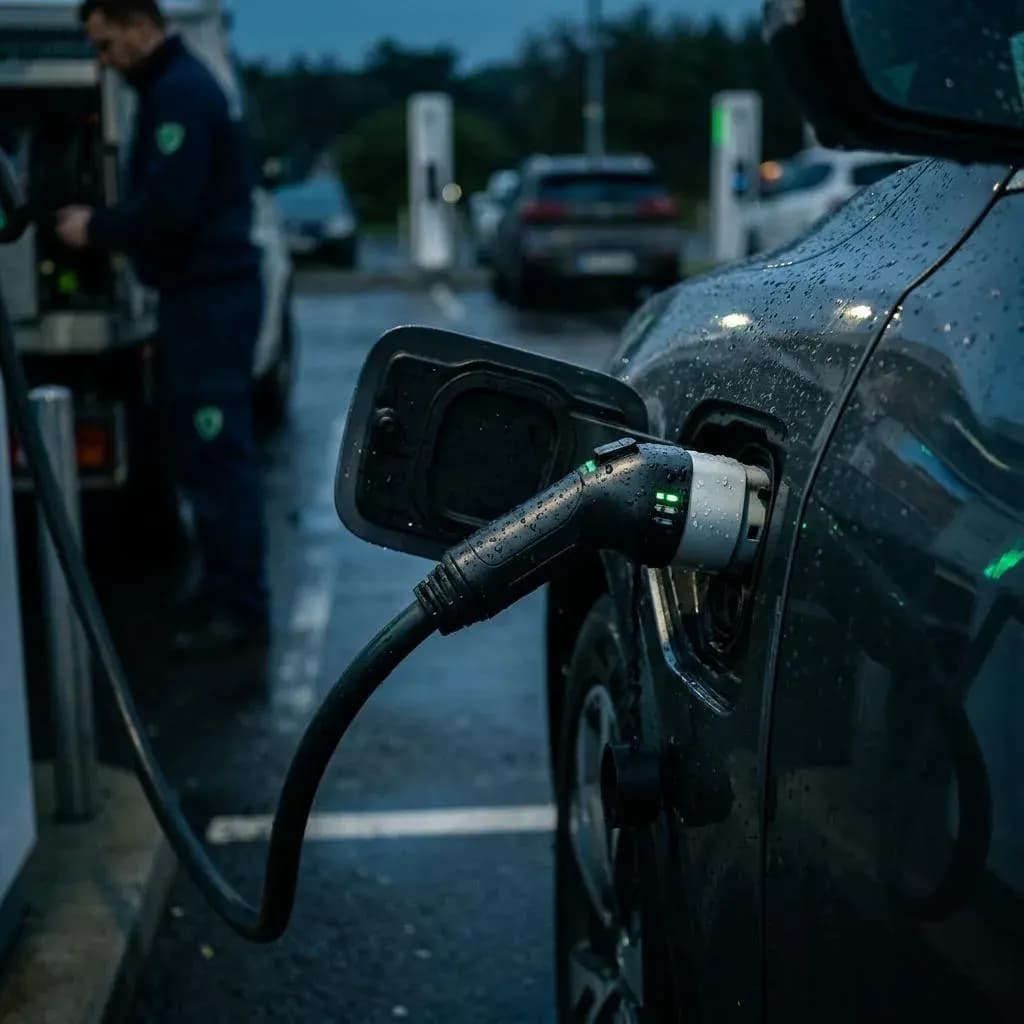
EV charging is grouped into three levels. The level determines how quickly energy reaches the battery, and that matters a lot when you are stranded.
Level 1: a standard household outlet
Level 1 uses a regular 120-volt outlet. It typically adds about 3–5 miles of range per hour. It works for plug-in hybrids and light daily driving, but it is far too slow for a roadside emergency.
Level 2: home and destination chargers
Level 2 uses 240-volt AC power, like a dryer outlet or a wall-mounted charger. It typically adds about 10–30 miles of range per hour depending on the car’s onboard charger. Great overnight, but still slow when you need to leave now.
Level 3: DC fast charging
Level 3 delivers DC power directly to the battery, bypassing the onboard charger. Depending on the vehicle, it can add range many times faster than Level 2. This is what highway fast-charging stations use, and it is what ChargePatrol’s mobile units deliver.
Connectors you will see in the U.S.
- NACS (the Tesla connector), now being adopted by many other brands
- CCS1 (Combined Charging System), used by most non-Tesla EVs sold in recent years
- CHAdeMO, found on older Nissan LEAF models
Why it matters at the roadside
A mobile Level 2 charger might add only a handful of miles in the time a DC unit adds 25–50 miles. That is the difference between waiting hours and driving away in under an hour.